






"Images far too ordinary to be exhibited in art galleries are admired because they are on the street. Then dealers and curators collect them as masterpieces of street art and they do enter the gallery after all, without being any more interesting than they were to begin with."
— Jonathan Jones, The Guardian.
Let’s be completely honest: the global street art phenomenon has gotten incredibly boring. What used to be a raw, rebellious subculture has morphed into a highly commercialized commodity, and the Lisbon urban art scene hasn’t escaped this shift. Today, the scene is heavily dominated by a small, elite group of players whose curated gallery artists plaster city walls with what feels suspiciously like missing talent. If an artist wouldn’t stand a chance in a leading contemporary gallery, why do we call it a masterpiece just because it’s on a concrete wall?
Look no further than our header image above. It features the famous joint wall in Graça co-created by Shepard Fairey (aka OBEY) and Alexandre Farto (aka VHILS)—two of Underdogs Gallery’s flagship house artists. I kept this original image deliberately because the wall as you see it here does not exist anymore. In the first half of 2026, the wall was stripped and completely painted over. The old piece was replaced by a new mural from the Brazilian twins Os Gêmeos—who, not coincidentally, are also represented by the exact same gallery network.
In my opinion, it is a textbook example of how commercial gallery interests now dictate what goes onto our neighborhood walls, putting corporate curation and roster management way before raw ideas or artistic quality. One of the most interesting, organic creative intersections in Graça has been sanitized to serve a market circuit. When we first opened our boutique hotel hidden away in Graça, street art felt like a living, breathing extension of the neighborhood’s rebellious energy. Now, brands, developers, and local councils use it as a tool for rapid gentrification, turning spontaneous expressions into predictable public commodities.
To truly feel the city’s creative heartbeat, you have to bypass these over-curated trails, focus on specific neighborhoods, and recognize that real urban expression isn’t just limited to vertical walls. This post serves as our open umbrella—the conceptual starting line for a deep-dive series where we will tear down the remaining myths across six upcoming urban art explorations.
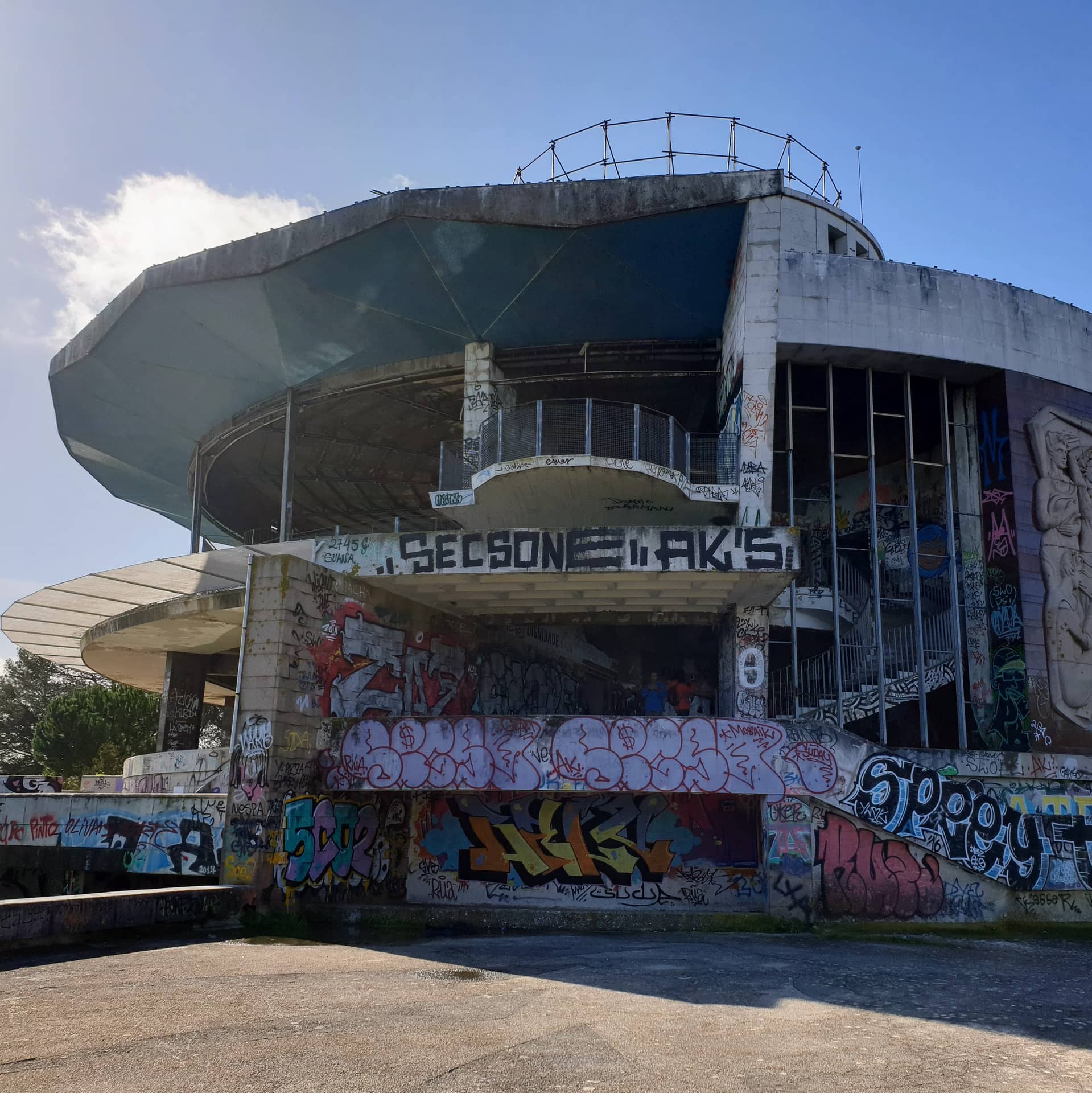
The evolution of the best street art Lisbon has to offer is directly tied to the city’s changing urban architecture. Decades ago, underground collectives used spray cans to voice political dissent, reclaiming abandoned factories, structural ruins, and forgotten alleyways. It was anarchic, temporary, and deeply connected to localized struggles.
Over time, city officials and prominent galleries realized that these colorful walls could attract international travelers and drive property values up. Suddenly, what was once considered vandalism became a curated exhibit. Neighborhoods like Graça street art hubs were transformed into open-air museums. While this commercial shift keeps the walls looking pristine for social media, it risks stripping away the very soul and authenticity that made the urban landscape interesting in the first place.
"Brands, developers and even city officials are embracing the global appeal of street art, but the boom comes with questions about preserving a neighborhood's cultural cachet."
— Isabella Kwai, Nikolay Nikolov and Patrick Junker, The New York Times.
There are walls everywhere in Lisbon—so for most travelers, booking an expensive guided street art tour is a total waste of money. Instead of paying someone to lead you to staged, commercialized murals, it is far more relevant to understand how to see the city. Here are three quick pieces of advice:
The best time to explore Lisbon’s urban landscape is during the crisp, bright morning hours just after sunrise, or late in the golden hour before sunset.
The low-angled Atlantic light rakes across the textured brick walls, lime-washed facades, and concrete ruins, giving the colors an extra layer of depth. Plus, wandering through these spaces early ensures you escape the mid-day heat and the tourist crowds block-booking the narrow lanes.
Don’t just walk past a wall to snap a quick photo and move on. Slow down. Look at the texturing, notice how the spray paint clings to decades-old masonry, and treat the city like an evolving diary where history, subculture, and daily life melt together. The final gallery set proves that the city’s real canvas goes way beyond flat paint on a vertical surface—but you have to keep your eyes open to catch it.
In Bairro Padre Cruz, it’s not just the portrait intervention by ±maismenos± that matters, but the uncommissioned, layered street tags scrawled rawly on the concrete right behind the wall. Just 100 meters from Tings Lisbon in Graça, you’ll spot Jorge Remão’s custom hand-painted ceramic tile installation, baking the iconic satirical words of comedian Herman José directly into local clay. And across the river in Almada, British photographer Camilla Watson completely redefines the canvas by embedding water-resistant photographic portraits of historic local fishermen right into the riverbed, letting the moving tides of the Tagus River submerge and reveal them as a living piece of art.
At the end of the day, Lisbon’s true canvas isn’t the giant, corporate-sponsored mural funded by a trendy marketing agency. The real magic lies in the accidental interplay between utility, history, and daily life. It’s the way a decaying lamppost casts a shadow across a hidden stencil, or how a satirical poem baked into 18th-century ceramic tiles mocks the modern gentrification happening right down the street.
When you stop chasing the curated Instagram spots and start looking at the gaps in between, you realize the city’s raw spirit is still alive—you just have to look a little closer to find it.
Thomas
Relax in Lisbon during our favorite quiet season.
Enjoy a 20% discount on stays between
Nov 15 and Dec 22.