





"Xabregas stands as Lisbon's final industrial frontier—a magnificent grid of heavy stone arches and working-class heritage where contemporary art and independent venues are staging a last, brilliant stand against 100% real estate gentrification."
— Urban Dynamics Review, on The Industrial Canvas of Eastern Lisbon.
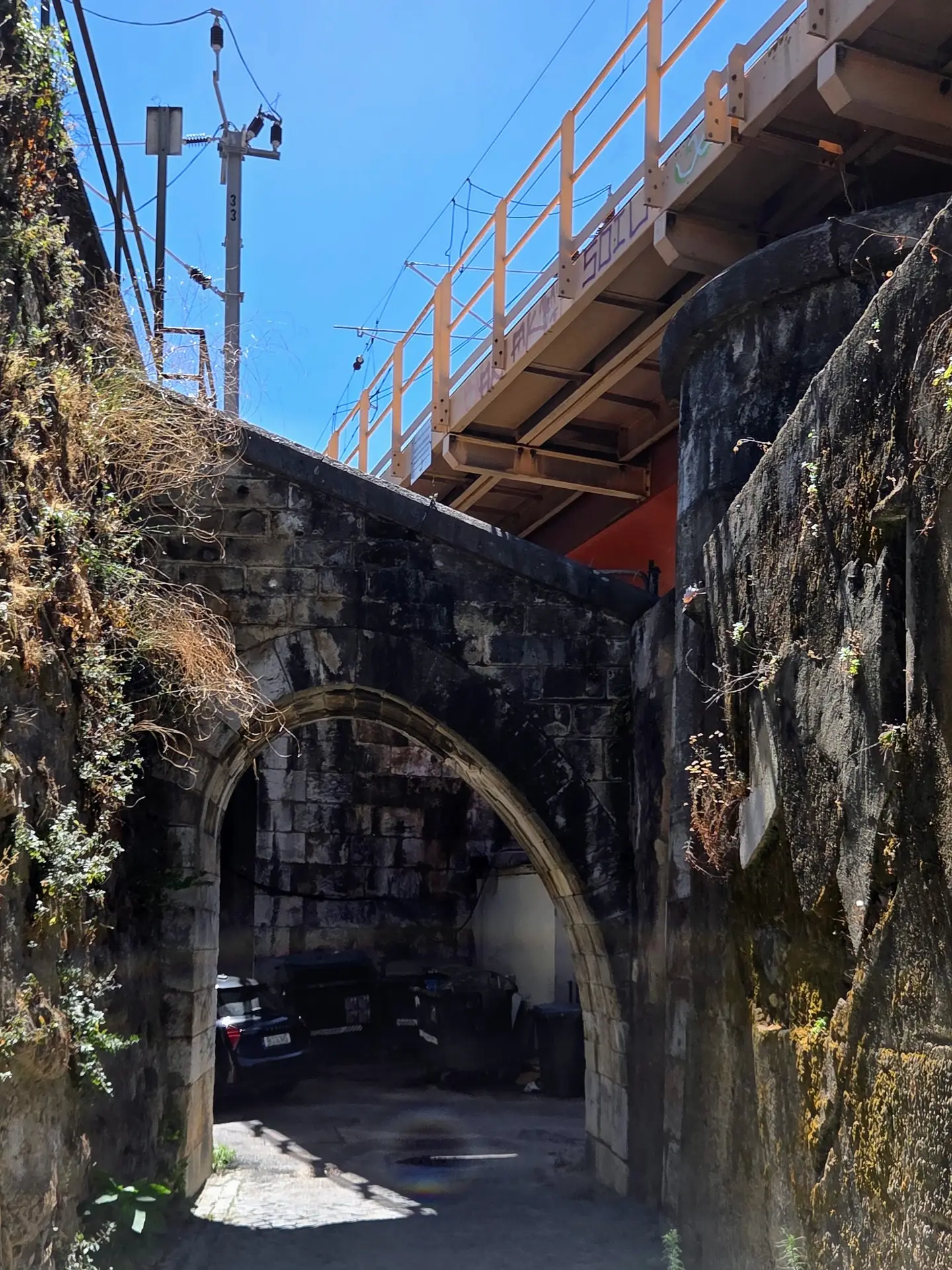
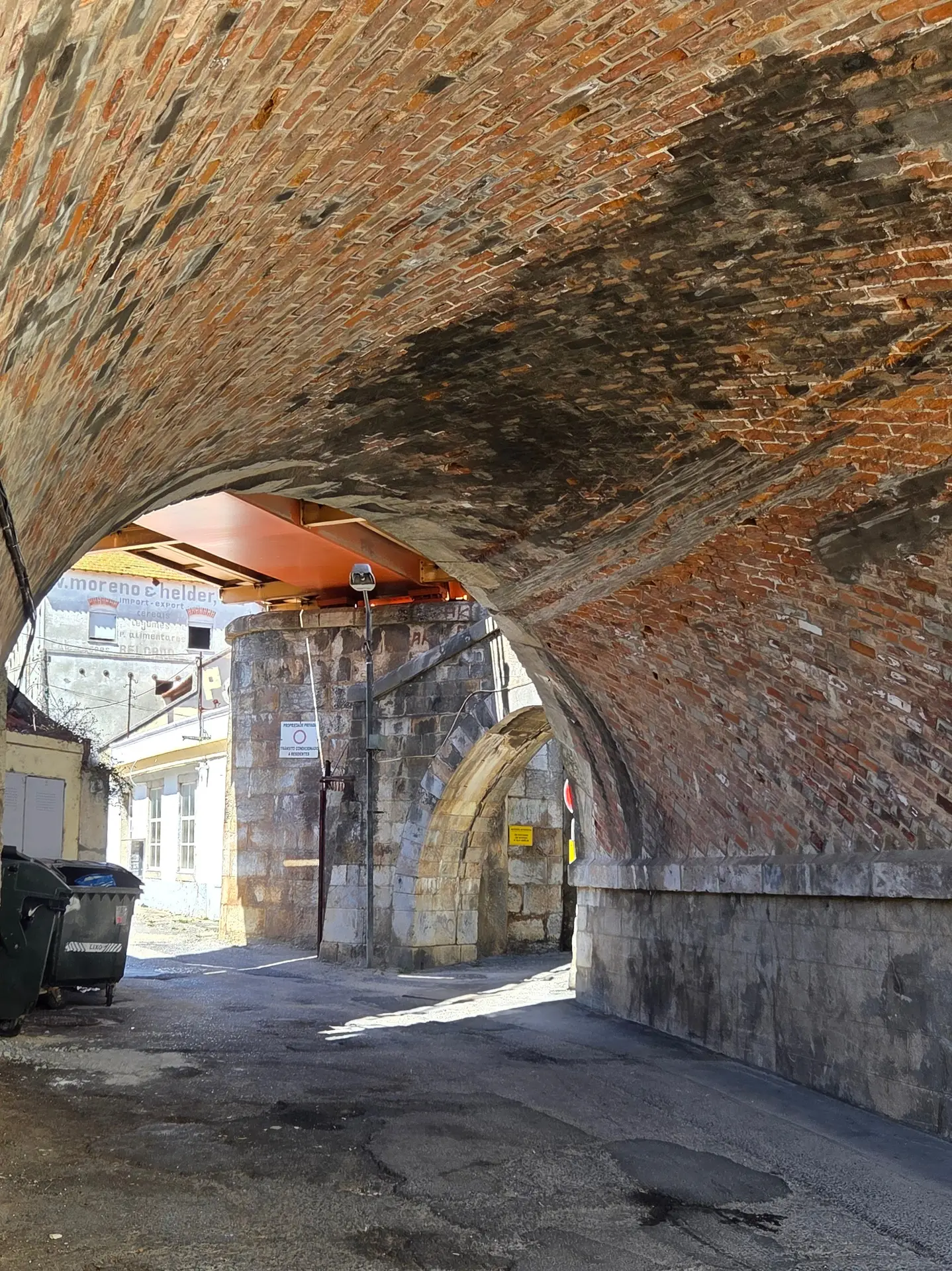
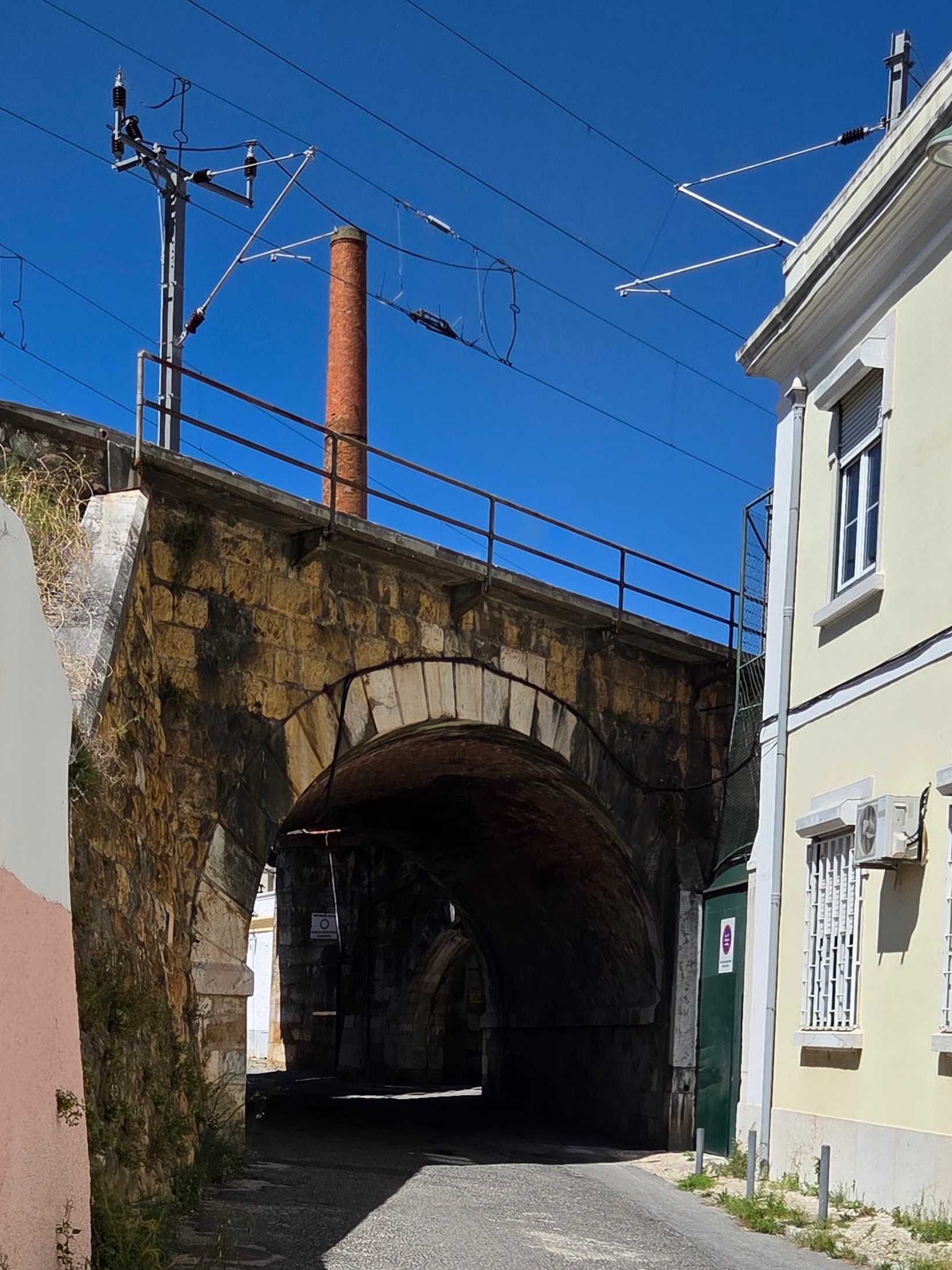
If you want to see where Lisbon’s future crashes straight into its raw, unfiltered past, you head east along the river. Tucked just past Santa Apolónia, Xabregas isn’t the Lisbon of glossy postcards or pastel-painted tram tracks. It is a sensory collision of imposing stone arches, rumbling overhead railway tracks, and warehouse doors hiding intense creative energy.
Walk down these street canyons, and you’ll feel the heavy physical footprint left by centuries of shipping, rail freight, and industry. But don’t let the gritty exterior fool you—this neighborhood is emerging as a massive creative node for Xabregas Lisbon, where artists, independent galleries, and architects are claiming the abandoned shells of the industrial age.
Xabregas was once defined by its closeness to the Tagus, a relationship shaped by magnificent historical anchors like the Convent of São Francisco de Xabregas and grand aristocratic estates. But the arrival of the Linha de Cintura railway network and the expansion of the industrial port completely severed the neighborhood from the water.
The area quickly transformed into a powerhouse of manufacturing, filling the space with massive factories, worker residential hubs, and warehouses.
When deindustrialization hit in the late 20th century, it left behind an incredible playground of empty, vaulted structures. Instead of knocking them down, Lisbon’s creative underground saw opportunity.
Today, those old brick walls and iron beams are the literal backbone of an organic, bottom-up urban rebirth.
You don’t need to look hard, they are all over town. But for the most breathtaking displays, keep an eye out at:
The best time to wander Xabregas is during the late afternoon. As the sun dips lower, the golden light cuts through the overhead iron rail wires and casts long, dramatic shadows through the deep stone archways, making it an absolute dream for photography.
Local Tip: When (or if) you have the legendary National Tile Museum (Museu Nacional do Azulejo) on your itinerary, add Xabregas to the route. They sit right next to each other, making it an effortless double-feature of classic Lisbon art and raw industrial architecture.
Despite what the Urban Dynamics Review calls a “brilliant last stand,” the clock is ticking loudly on the East Side’s raw industrial heritage. You come here because if you want to see one of the absolute last authentic, unvarnished parts of working-class Lisbon, Xabregas is your final frontier. While neighboring Beato and Marvila are already well on their way into our modern time, Xabregas still stubbornly hangs onto its rugged, timeless edge.
Go now—in five years’ time, the real estate boom will have smoothed it over and it will be 100% gentrified. Rent a bike, cruise down the flat lanes under the towering stone bridges, and take in this gritty playground of engineering history before it transforms completely.
Relax in Lisbon during our favorite quiet season.
Enjoy a 20% discount on stays between
Nov 15 and Dec 22.