

"Vila Sousa is a masterclass in urban camouflage—hiding a crowded, high-density industrial courtyard right behind the grand, aristocratic facade of a ruined palace."
— From the architectural archives on Lisbon's Vilas Operárias.
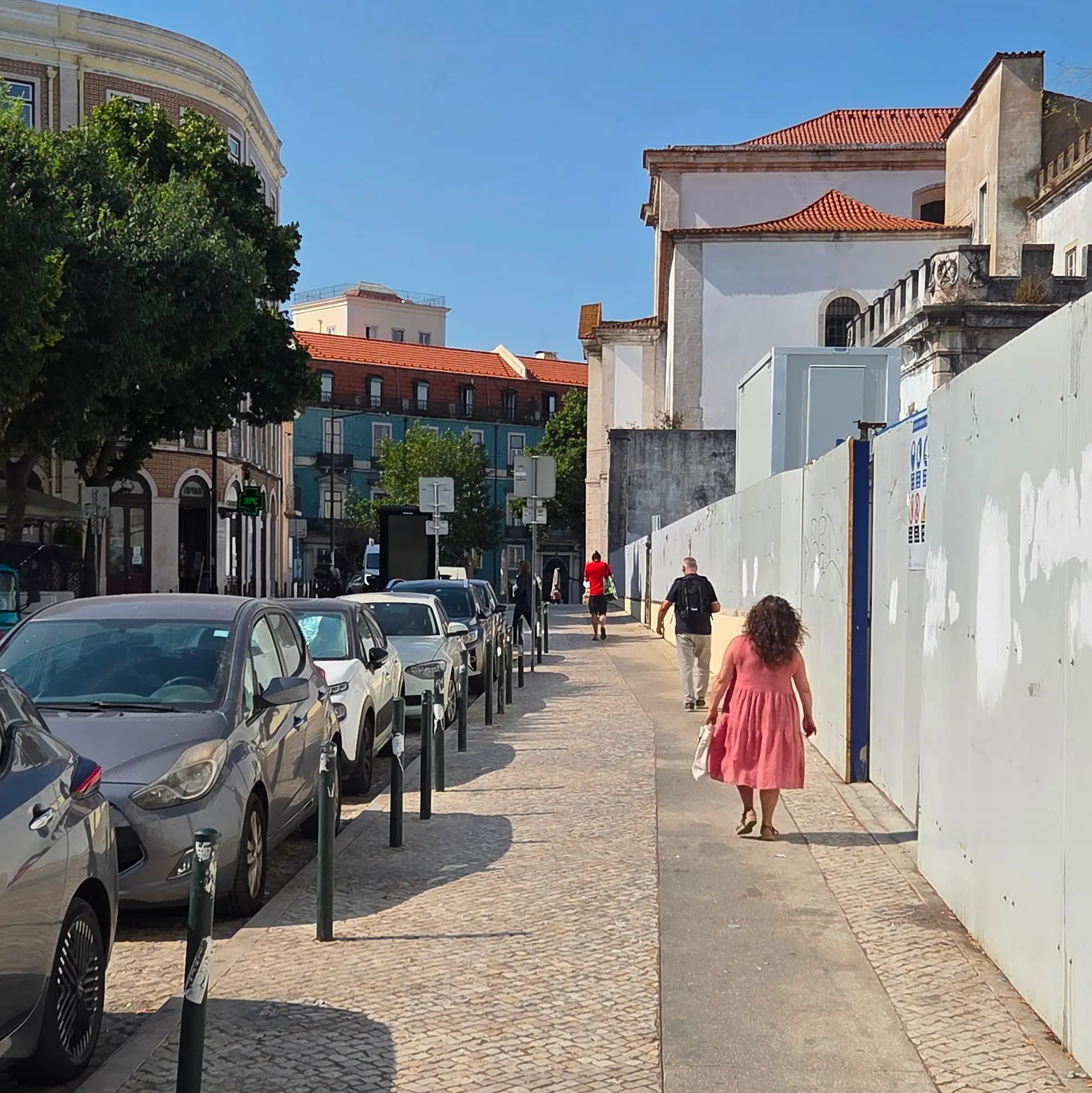
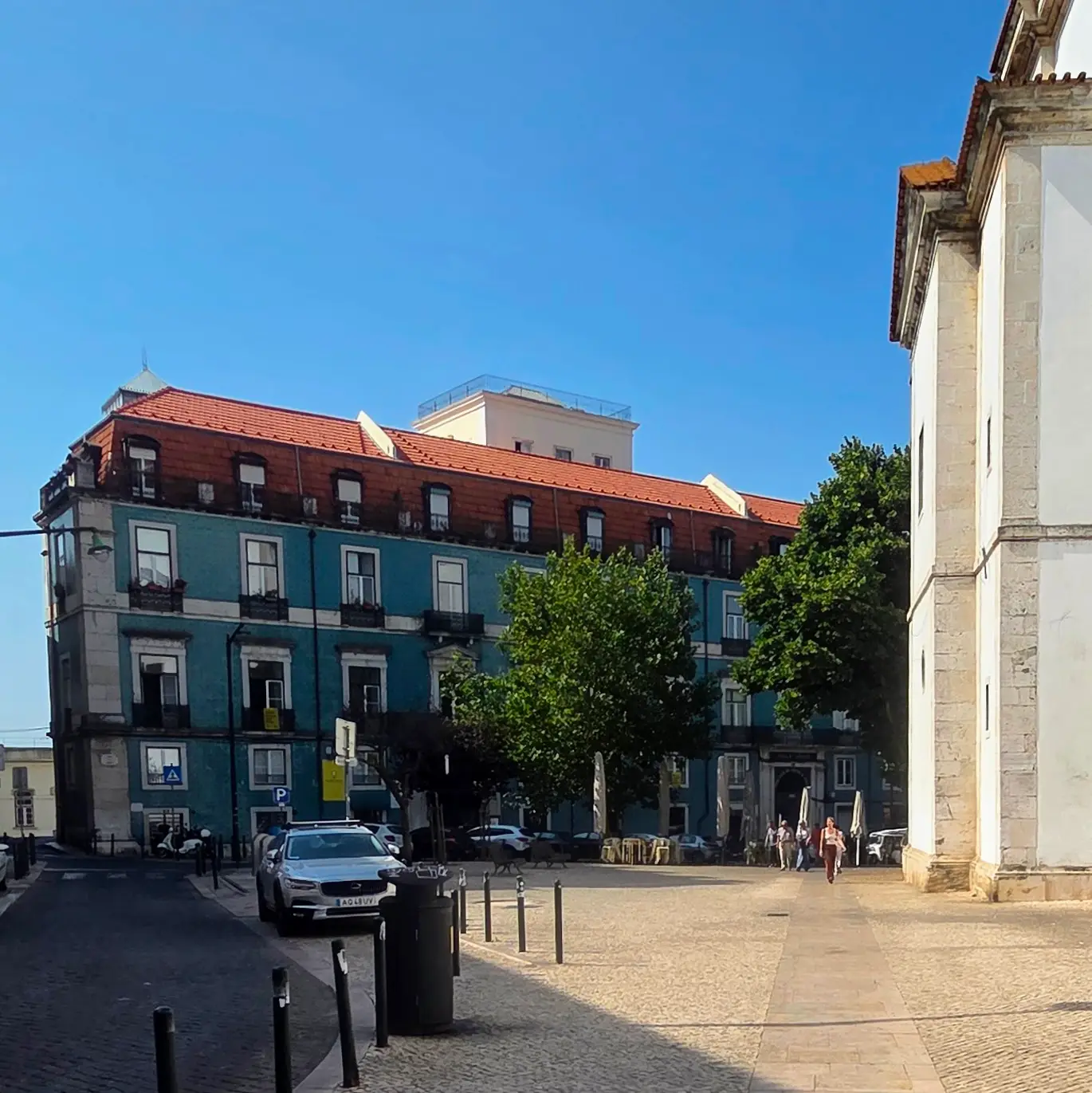
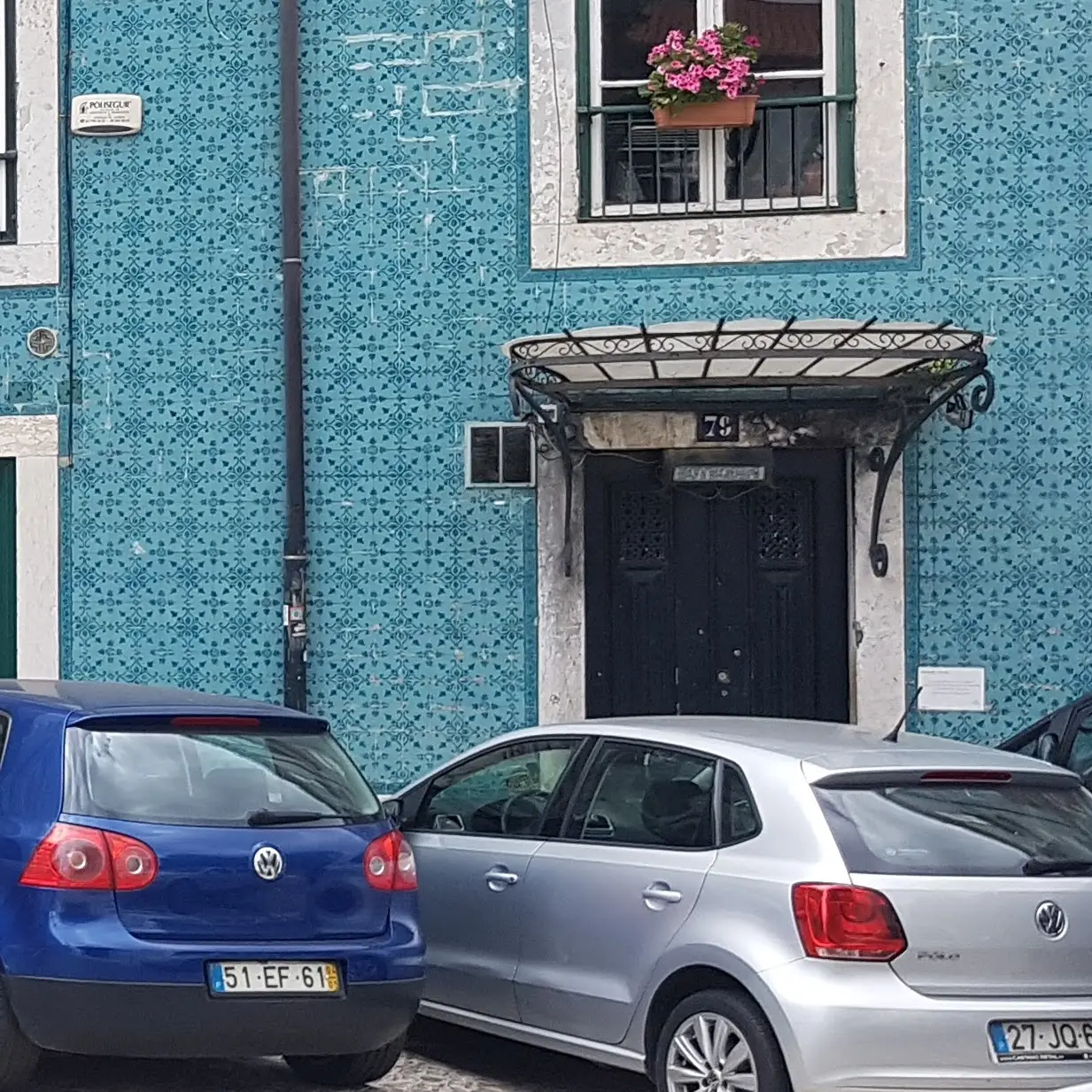
If you stand in Largo da Graça, your eyes naturally drift toward the massive Graça Convent monastery. But if you turn slightly, you’ll catch the brilliant green-and-blue geometric tile facade of Vila Sousa. To the untrained tourist eye, it looks like a grand, singular aristocratic mansion. In reality, it is a brilliant piece of 19th-century real estate trickery designed to pack an entire working-class micro-neighborhood behind a single iron gate.
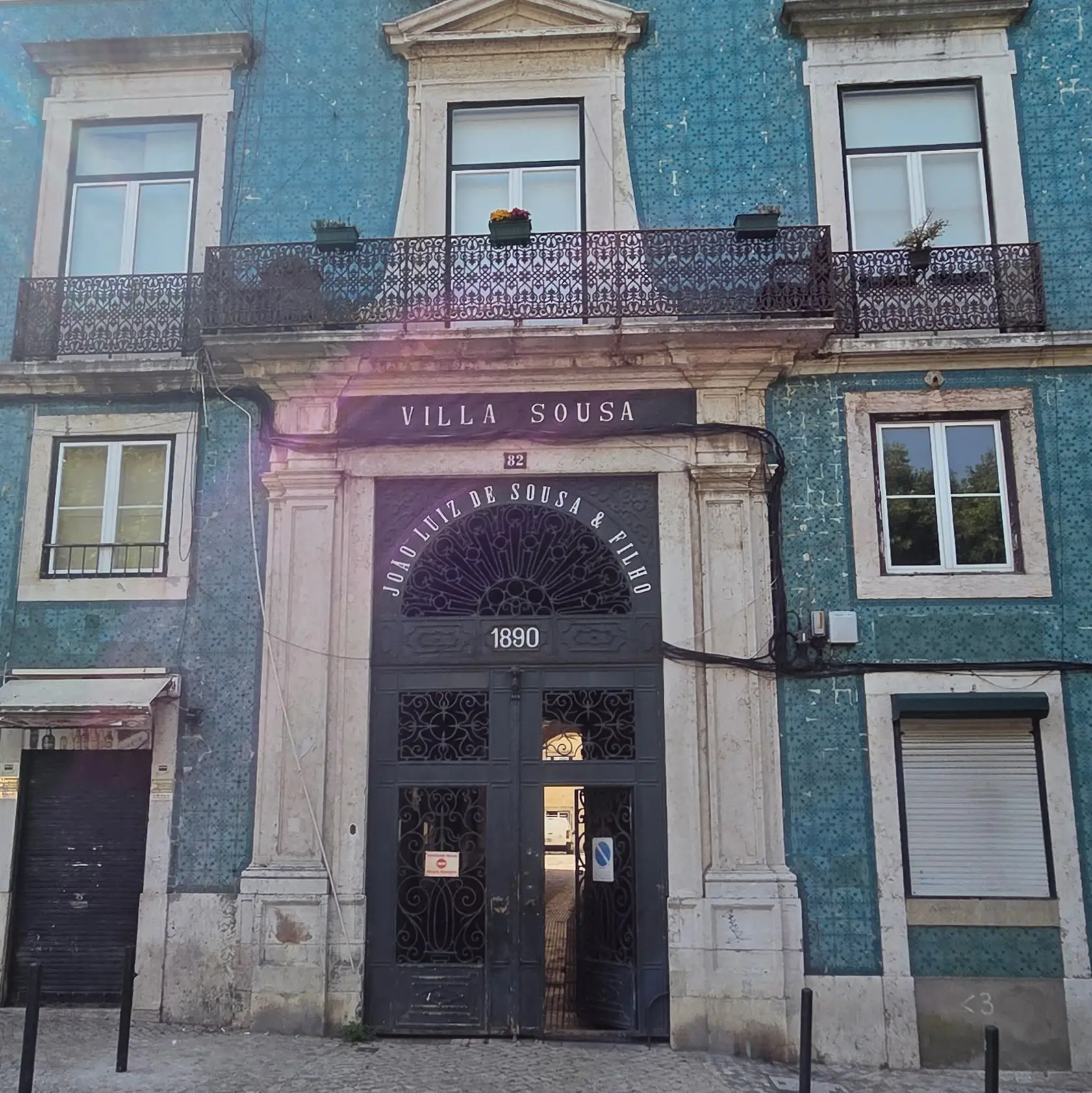
When our guests at Tings Lisbon wander up the hill to grab a coffee, they pass right by its massive entrance tunnel daily. Most assume it is private, exclusive, and out of bounds. But look closer. Peer past the heavy wrought-iron header dating back to 1890, and you’ll see the cavernous stone entryway framing a massive, sun-drenched internal courtyard where local life plays out at its rawest, most unvarnished scale.
This isn’t your standard guidebook monument; it is one of Graça’s three iconic architectural gems—alongside Vila Berta and Bairro Estrela d’Ouro—and it functions as an accidental town square completely cut off from the noise of the main tram line outside.
The land beneath Vila Sousa carries deep, aristocratic scars. Long before it was an industrial rental compound, this was the sprawling, palatial estate of the Counts of Vale de Reis. Then the 1755 earthquake wrecked it. The family rebuilt, only to watch a massive fire completely gut the palace structures again in 1819. Leaving the ruins behind, the property was eventually snapped up by aggressive industrial developers who realized they could upcycle the aristocratic footprint into a high-density “worker’s island”.
The layout reflects the harsh corporate strategy of late 19th-century Lisbon. The wealthy owners and elite shopkeepers lived in the spacious, outward-facing grand apartments on the lower floors. Meanwhile, the factory workers were packed into small rooms upstairs and tight workshops lining the internal, stone-paved inner yard.
But you cannot talk about Vila Sousa without talking about the political gossip and literary heavyweights who weaponized its ground-floor commercial spaces. In 1971, the legendary poet, novelist, and fearless feminist icon Natália Correia co-founded Botequim right inside these walls. During the final, tense years of the dictatorship and the explosive wake of the 1974 Carnation Revolution, Botequim became Lisbon’s ultimate, smoke-filled underground salon. Intellectuals, radical politicians, and artists packed into the tiny room to argue about freedom, literature, and revolution right under the noses of secret police handlers.
You don’t need a formal tour guide or a ticket to experience Vila Sousa—it takes less than five minutes and sits right on Largo da Graça, a brief stroll from our garden gate at Tings Lisbon. Walk up to number 82 and step directly into the vaulted stone tunnel entrance. Don’t be timid; it is a shared neighborhood thoroughfare, but remember to respect the residents who actually live and work here by keeping your voice down.
Walk all the way into the massive central yard. Stand in the center by the old iron streetlamp and take a slow, full turn to observe the sheer scale of the architecture. If you time your stroll for the evening, pull up a wooden chair at Botequim on the ground floor. Order a strong drink, look around at the vintage bottles, and soak up the lingering, rebellious energy of Natália Correia’s old stomping ground.
At the end of the day, the raw, survivalist history of Vila Sousa matches the exact uncompromising blueprint we run by at Tings Lisbon. It proves that real utility, historical chaos, and daily human life don’t need to be separated into sterile corporate boxes. Just like our resident cats Chimmi and Rocco who claim every corner of our garden, the neighbors here move through this upcycled palace courtyard with an effortless, unpretentious ownership. It is a living reminder that the best parts of Lisbon aren’t found in textbooks or polished tourist displays—they are hidden right behind the heavy iron gates we walk past every day.
Relax in Lisbon during our favorite quiet season.
Enjoy a 20% discount on stays between
Nov 15 and Dec 22.